The No-Nonsense Guide to Hockey Gear
How to get outfitted, stay safe, and save money.
Welcome to the Game!
Walking into a hockey store can be intimidating. Price ranges for a new set of equipment can vary from $300 to over $1000.
You don't need to buy all your gear before the orientation session. In fact, it's wiser to wait! Our partners offer discounts at orientation, and you'll have time to try things on properly.
Pro Tip: While you can save money by buying used equipment, you can save a lot of time buying new equipment that often goes on sale. However, if you have time to hunt for used gear and can find what you need, it can definitely save you some money.
The Golden Rules
Rule #1: Fit > Price
The most expensive gear is for NHL players. You need gear that fits. Poorly fitting gear is uncomfortable and unsafe. Cheap gear that fits well is 100x better than expensive gear that's too loose.
Rule #2: Buy "New" for Safety, "Used" for Savings
You can easily get used equipment, but we recommend certain items be bought new.
- BUY NEW: Helmet (safety expiration dates) and Jock/Jill (hygiene).
- BUY USED: Shoulder pads, pants, and elbow pads. These are durable and great second-hand.
The Head-to-Toe Checklist
The "Big Three" (Don't Skimp Here)
1. The Skates
Do not buy these online. You must try them on. Hockey skates fit 1-1.5 sizes *smaller* than your shoe size. Your toes should brush the endcap, but not be crunched. Ask the shop to "bake" them for you—it heat-molds them to your feet. Skates do not come sharp!
2. The Helmet
Protect your brain. Look for the **CSA sticker** and check the expiration date (yes, they expire!). A helmet should be snug, not wobbly. We highly recommend a **full cage** for beginners to protect your teeth.
3. The Stick
Look at the **"Flex"** number (e.g., 65, 75, 85). Beginners should buy a *softer* flex (65-75), which makes it much easier to learn to shoot. For height, the stick should come to your nose in street shoes. Ask the shop to cut it for you.
Gear Breakdown
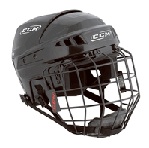
1. The Helmet
Verdict: Buy New.
Protect your brain. Helmets expire (check the sticker!), and used ones may have taken hidden impacts. We strongly recommend a full cage to protect your teeth and eyes. It's not mandatory, but teeth are expensive!
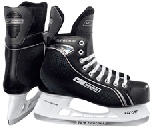
2. The Skates
Verdict: Try Before You Buy.
Do not buy online. Skates fit 1–1.5 sizes smaller than shoe size. Your toes should brush the end cap but not crunch. Ask the shop to "bake" them (heat mold) for a custom fit.

3. The Stick
Verdict: Soft Flex is Best.
Beginners often buy sticks that are too stiff. Look for a "Flex" of 65, 70, or 75. This makes it much easier to learn shooting mechanics. Cut it so it touches your nose when you're in street shoes.
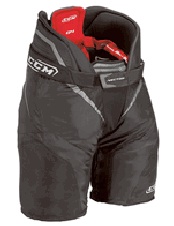
4. Pants (Breezers)
Verdict: Buy Used (Cleaned).
You will fall on your butt, so tailbone protection is key! Fit is important—they should stop just above the knee and sit securely on your waist. Zippered legs help if you put your skates on first by mistake.
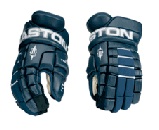
5. Gloves
Verdict: Check the Smell!
You can buy used, but gloves are the "stinkiest" part of the gear. Hands sweat a lot. If buying used, ensure the palms aren't crusty or full of holes. Fit should cover 1-2 inches of your wrist.
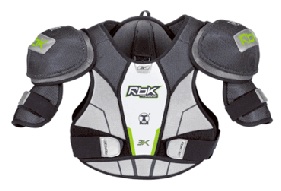
6. Shoulder Pads
Verdict: Don't Break the Bank.
We play non-contact, so you don't need elite protection. Any reasonably priced new or used pair will protect you from falls and stray pucks. Women-specific pads are available for better fit!
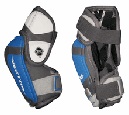
7. Elbow Pads
Verdict: Essential.
When you fall, your elbows often hit first. Make sure these fit snugly and don't slide down. Some players use sock tape to keep them in place.
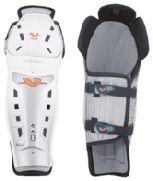
8. Shin Pads
Verdict: Measure Twice.
Proper length is key. Measure from your ankle to the middle of your kneecap. If they are too long, your skates will push them up; too short, and you leave a gap for pucks to hit.
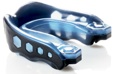
9. Mouth Guard
Verdict: Highly Recommended.
It is technically optional if you wear a full cage, but we highly recommend it to prevent concussions and protect your teeth from accidental jarring. If you wear a visor, it is absolutely essential. Buy New.
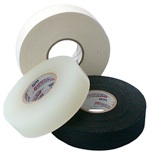
10. Tape (Stick & Sock)
Verdict: The Essentials.
You need two types: Stick Tape (cloth) for your blade and handle to improve grip and puck control. Sock Tape (clear plastic) wraps around your socks to keep your shin pads from shifting while you skate.
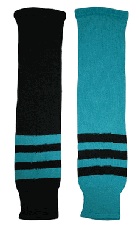
11. Hockey Socks
Verdict: Cheap & Cheerful.
You need practice socks to go over your shin pads. Note: Discover Hockey provides a jersey, but you typically need to bring your own socks for the first few sessions unless told otherwise. Modern socks often have velcro to attach to your jock!
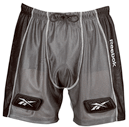
12. Jock / Jill
Verdict: Buy New!
Protects your most sensitive areas. Look for the "shorts" style (loose mesh shorts with the cup/plate built in) that have velcro tabs on the front and back of the thighs—this is how you hold your socks up!
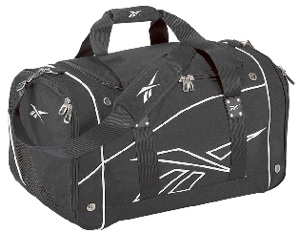
13. Hockey Bag
Verdict: Go Big.
You need something to carry all this stuff! Don't get a bag that's "just big enough." Get one with extra room so you aren't fighting to zip it up after a game when you are tired. Wheels are a nice bonus for long walks from the parking lot.
How to Get Dressed
There is no single "right" way, but here are the two most common methods.
Method 1: The Standard Way (Easiest for Beginners)
This is often easier because you don't have to struggle pulling pants over your skates, but bending over in pants can be tricky.
- Lower Base Layer & Upper Base Layer
- Jock / Jill
- Shin Pads
- Hockey Socks (Attach to Jock/Jill)
- Pants
- Skates
- Neck Guard (Recommended before helmet)
- Shoulder Pads
- Elbow Pads
- Jersey
- Helmet
- Gloves & Stick -> Go Play!
Method 2: The "Pro" Way (Pants First)
Preferred by many players because you can tie your skates without bulky shin pads getting in the way. Note: Your pants might need zippers on the legs for this to work well.
- Lower Base Layer & Upper Base Layer
- Jock / Jill
- Hockey Socks (Attach to velcro, leave rolled down)
- Pants
- Skates (Tie them tight!)
- Shin Pads
- Pull Socks Up (Over shins)
- Shoulder Pads
- Elbow Pads
- Jersey
- Helmet
- Neck Guard (Preferred by some after helmet is on)
- Gloves & Stick -> Go Play!
Pro Tip: Shin Guards & Skates
How you wear your shin guards affects the size you need to buy:
- Inside the Tongue (Forward Style): The skate tongue flops out over the shin pad. This offers more ankle mobility for agility. You may want a slightly shorter shin pad for this.
- Outside the Tongue (Defense Style): The shin pad goes over the skate tongue. This offers maximum protection from pucks. You may want a slightly longer shin pad for this coverage.
Ready to Hit the Ice?
Where to Shop in Edmonton
Here are our recommendations. Tell them you're with Discover Hockey!
Now that you know what to buy, you need a place to play. Discover Hockey is the #1 beginner program to take you from the dressing room to your first game.